

Explore Central America
Data last updated:
Jurisdictions in Central America (7)
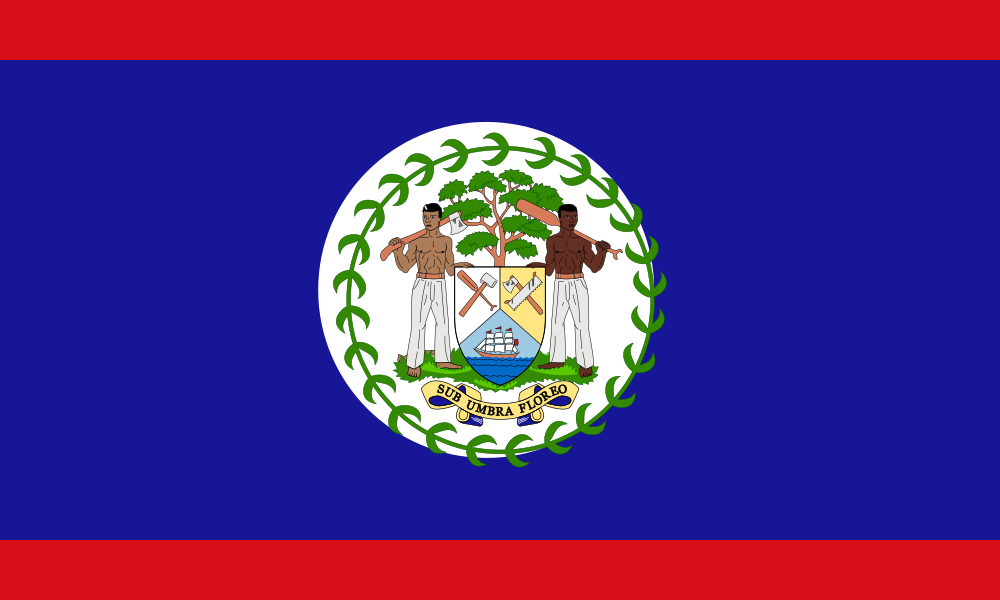
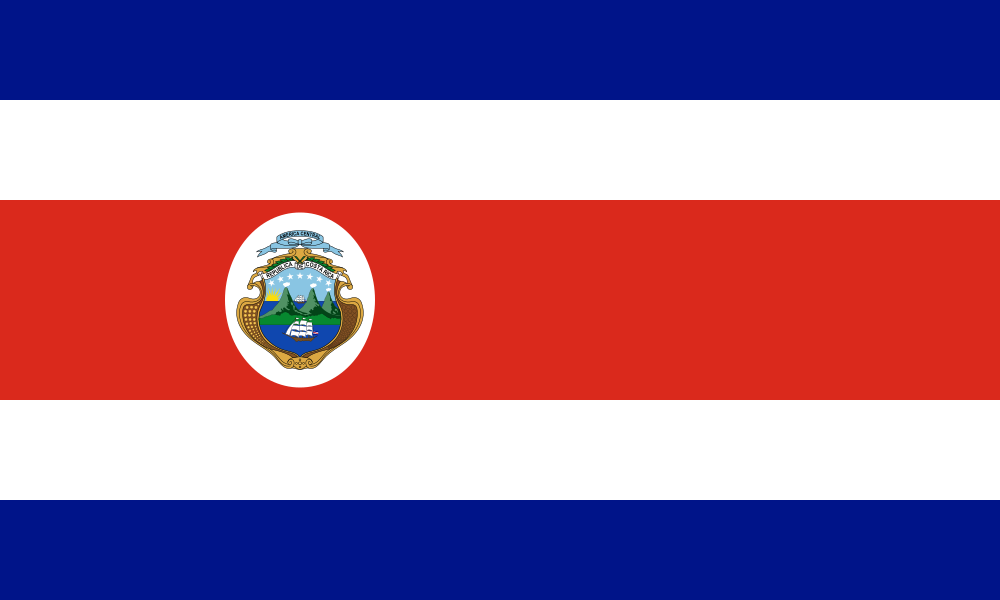
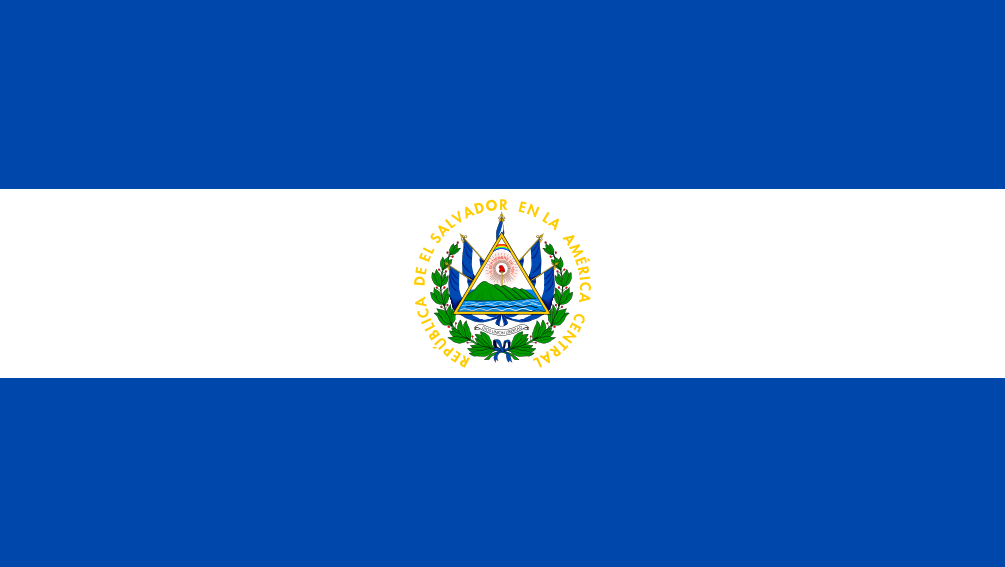
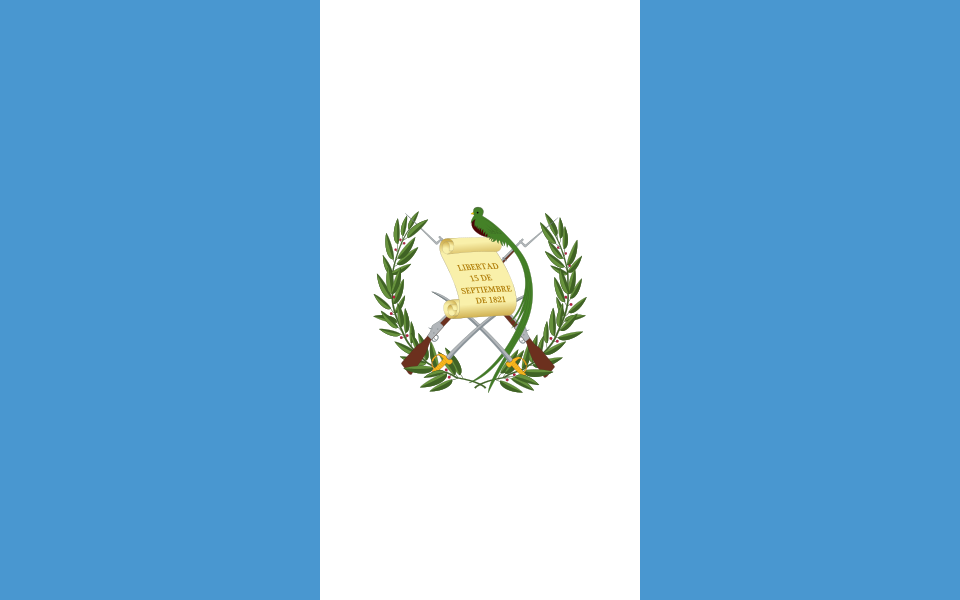
Central America offers strategic advantages for businesses seeking proximity to North American markets combined with lower operating costs and growing regional integration. The region's jurisdictions have developed diverse approaches to attracting international business, from Panama's established financial center to Costa Rica's technology sector growth and Belize's offshore services industry.
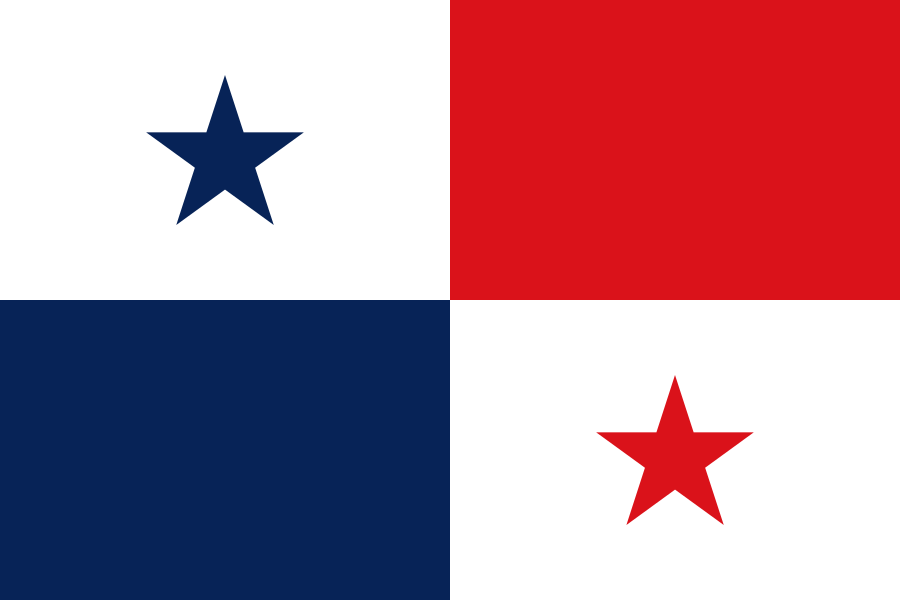
Panama stands out as the region's most developed international business center, offering a territorial tax system, well-established corporate services industry, and the strategic advantage of the Panama Canal. The country's Colon Free Zone represents one of the largest free trade zones in the world, facilitating significant trade between the Americas and global markets. Panama's banking sector, while facing increased scrutiny following transparency initiatives, remains substantial and serves both regional and international clients.
Costa Rica has positioned itself as a destination for technology companies, shared services centers, and manufacturing operations serving US markets. The country's political stability, relatively educated workforce, and free trade zones offering tax incentives have attracted significant foreign investment. Unlike some neighbors, Costa Rica has focused on legitimate business operations rather than offshore financial services.
Belize maintains a traditional offshore sector with international business company legislation, though the jurisdiction has implemented reforms to address international transparency requirements. Its English-speaking workforce and common law system differentiate it from Spanish-speaking neighbors.
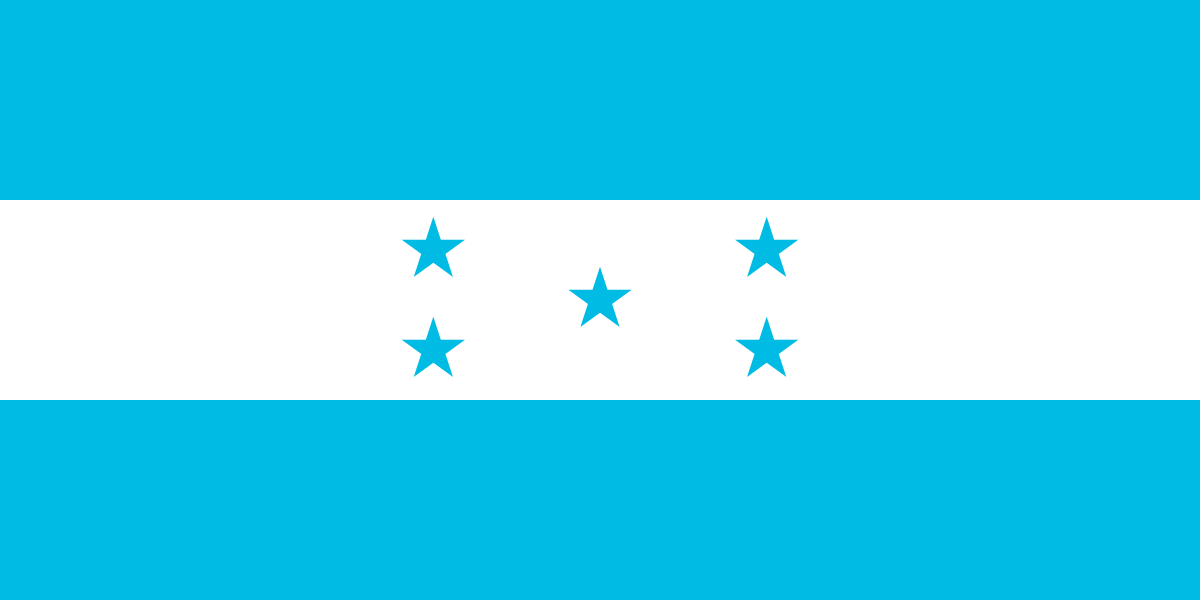
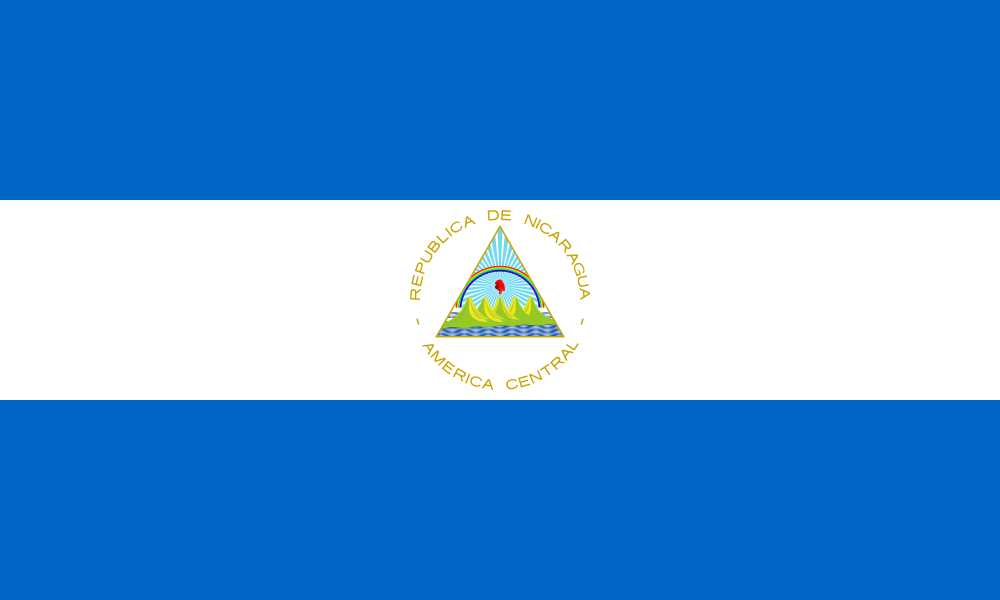
Guatemala, Honduras, El Salvador, and Nicaragua present varying levels of development and stability, with some jurisdictions implementing reforms to attract foreign investment while others face ongoing governance challenges. El Salvador's adoption of Bitcoin as legal tender represents an unconventional approach to attracting cryptocurrency businesses.
Businesses considering Central America should carefully evaluate political risk, infrastructure limitations, and the specific regulatory framework of each jurisdiction. The region's proximity to the United States and lower costs can provide advantages for certain operations, but due diligence regarding stability and rule of law remains essential.
Frequently Asked Questions About Central America
What jurisdictions are covered in Central America?
What are the typical corporate tax rates in Central America?
Which Central American jurisdictions offer crypto or gaming licensing?
What makes Central America attractive for business formation?
Is Panama a good country to start a business?
How does Panama's territorial tax system work?
Which Central American countries offer free trade zones?
How long does it take to form a company in Costa Rica?
Related Articles
Residency by Investment 2026: Complete Guide to Golden Visa Programs
Golden visa programs offer residency through investment without requiring citizenship commitment. This guide covers active RBI programs, investment thresholds, and what residency actually provides.
Territorial Tax Countries 2026: Where Foreign Income Stays Untaxed
Territorial tax systems only tax locally-sourced income. This guide covers which countries offer genuine territorial taxation and what the practical limitations are.
Retiring in Panama 2026: Pensionado Visa, Costs, and Healthcare Reality
Panama's Pensionado visa remains one of the easiest retirement visas on paper. But the retiree discounts are smaller than advertised, healthcare requires careful planning, and the cultural adjustment catches people off guard.
Mexico's Immigration Rules Tighten for Long-Term Visitors in 2026
Mexico's immigration officials are shortening tourist stays and questioning repeat visitors more aggressively. The informal 180-day visa is no longer automatic.
Living in Medellin, Colombia 2026: Costs, Visas, and the Nomad Reality
Medellin draws thousands of remote workers yearly with cheap living and warm weather. But rising prices, gentrification backlash, and visa confusion create a different reality than the YouTube thumbnails suggest.
Uruguay Residency 2026: South America's Quiet Alternative for Expats
Uruguay offers safety, a tax holiday for newcomers, and stability that most of Latin America cannot match. The tradeoff: a small market, high costs, and a pace that can feel like standing still.